Dental CRM Software: How It Streamlines Patient Management
Managing a dental clinic can be overwhelming. Dental CRM software simplifies this by centralizing patient records, automating appointment reminders, and improving communication. Here’s what you need to know:
- Save Time: Reduce admin tasks by up to 40% with automated scheduling, billing, and follow-ups.
- Fewer No-Shows: Automated reminders cut missed appointments by 25%, saving valuable chair time.
- Better Compliance: UAE clinics benefit from seamless integration with NABIDH, Riayati, and other local health systems.
- Improved Patient Care: Centralized records and tools like 3D dental charts enhance communication and treatment planning.
Key Features to Look For:
- Centralized patient data (medical histories, imaging, insurance)
- Automated reminders via WhatsApp, SMS, or email
- Real-time analytics for patient retention and clinic performance
- Secure, cloud-based storage with compliance tools
Why It Matters:
Dental CRM software helps clinics save time, reduce errors, and deliver a better patient experience. Whether you’re managing one branch or multiple, the right system can transform daily operations and improve patient satisfaction.
For UAE clinics, ensure the software meets local regulations like NABIDH or Riayati and supports automated communication tools like WhatsApp.
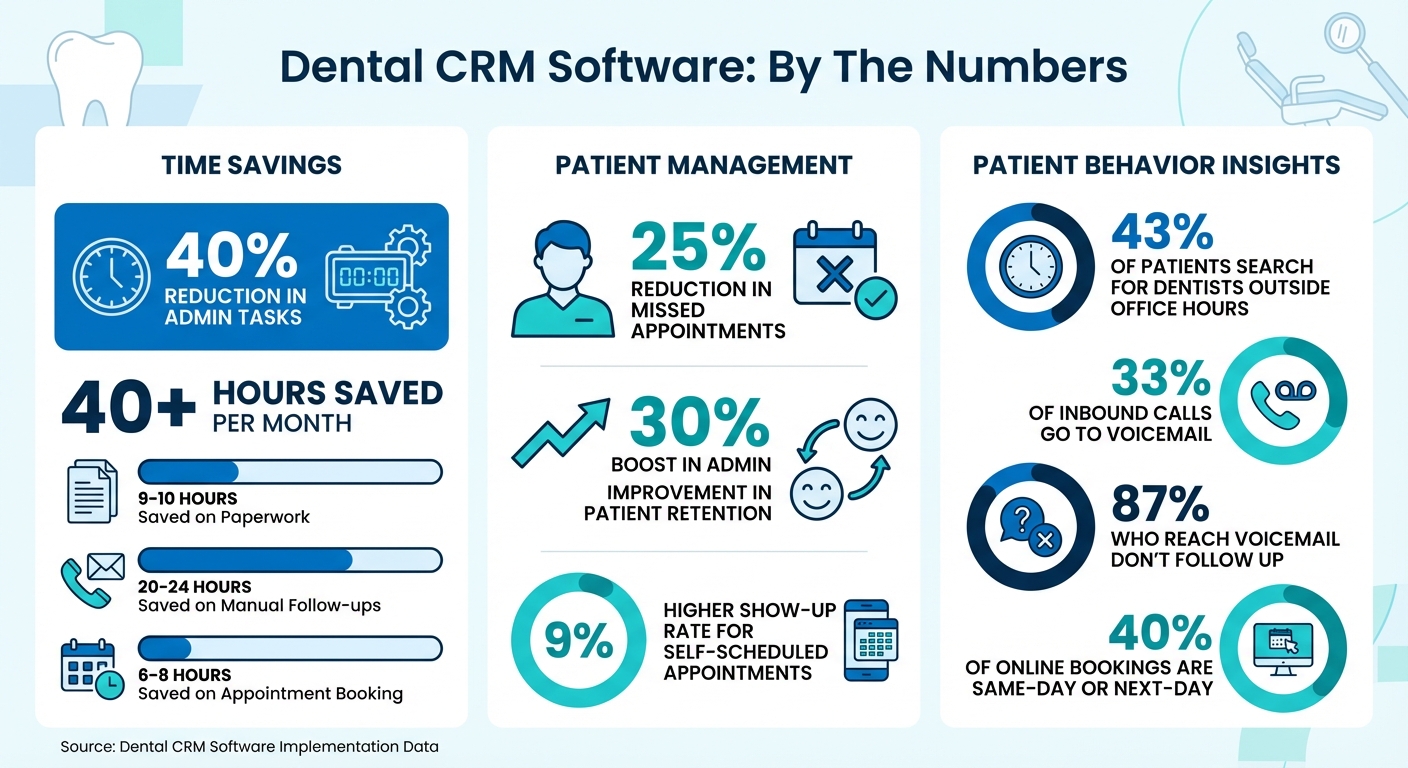
@figure {Dental CRM Software Benefits: Time Savings and Performance Statistics} :::
Open Dental Software Tutorial | Dental Practice Management Training Video
What is Dental CRM Software and How Does It Work?
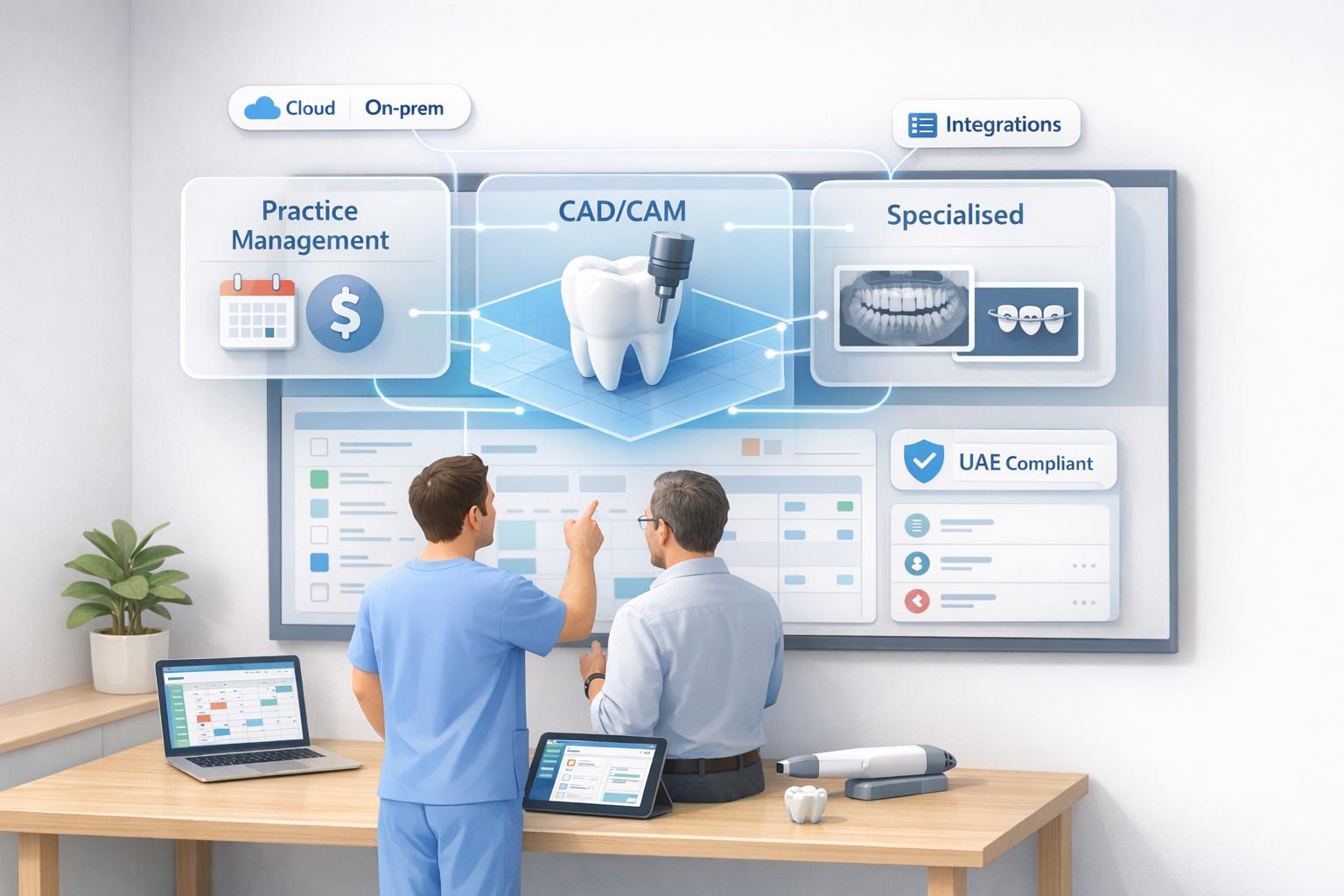
Dental CRM software is a specialised tool tailored to streamline how dental clinics manage patient interactions. Unlike general CRM systems that focus primarily on sales, dental CRMs are designed to fit into the unique workflows of dental practices. They manage patient records, treatment histories, insurance verification, and even CDT coding, making them an essential part of clinical operations [7][9].
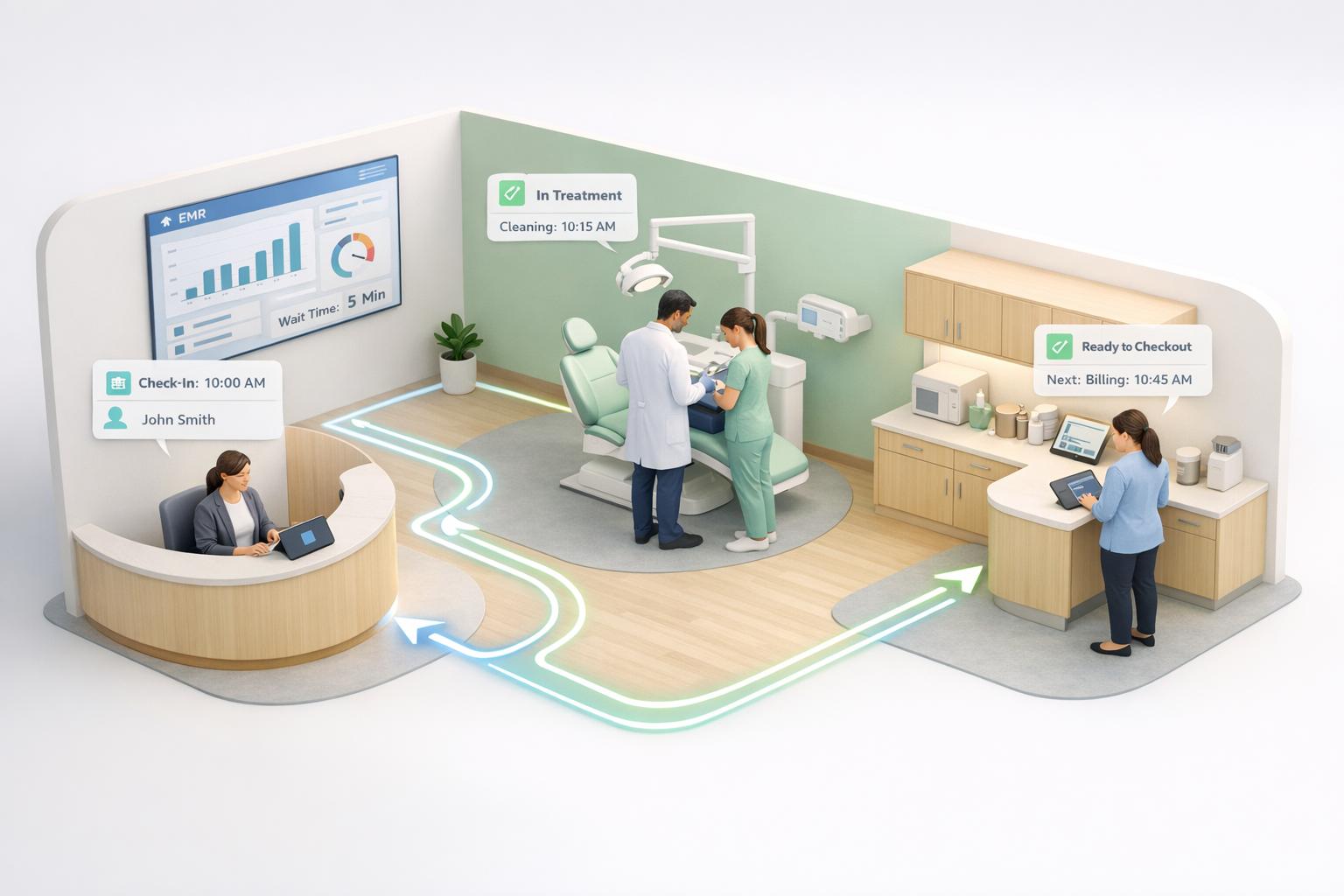
These systems integrate seamlessly with practice management software (PMS), imaging tools, and diagnostic equipment to provide a centralised view of both clinical and administrative data [9][12]. For instance, when a patient schedules an appointment, the system can instantly provide access to their treatment history, insurance details, and prior communications - all in one place. This integration ensures that data flows smoothly across all clinic systems, reducing inefficiencies.
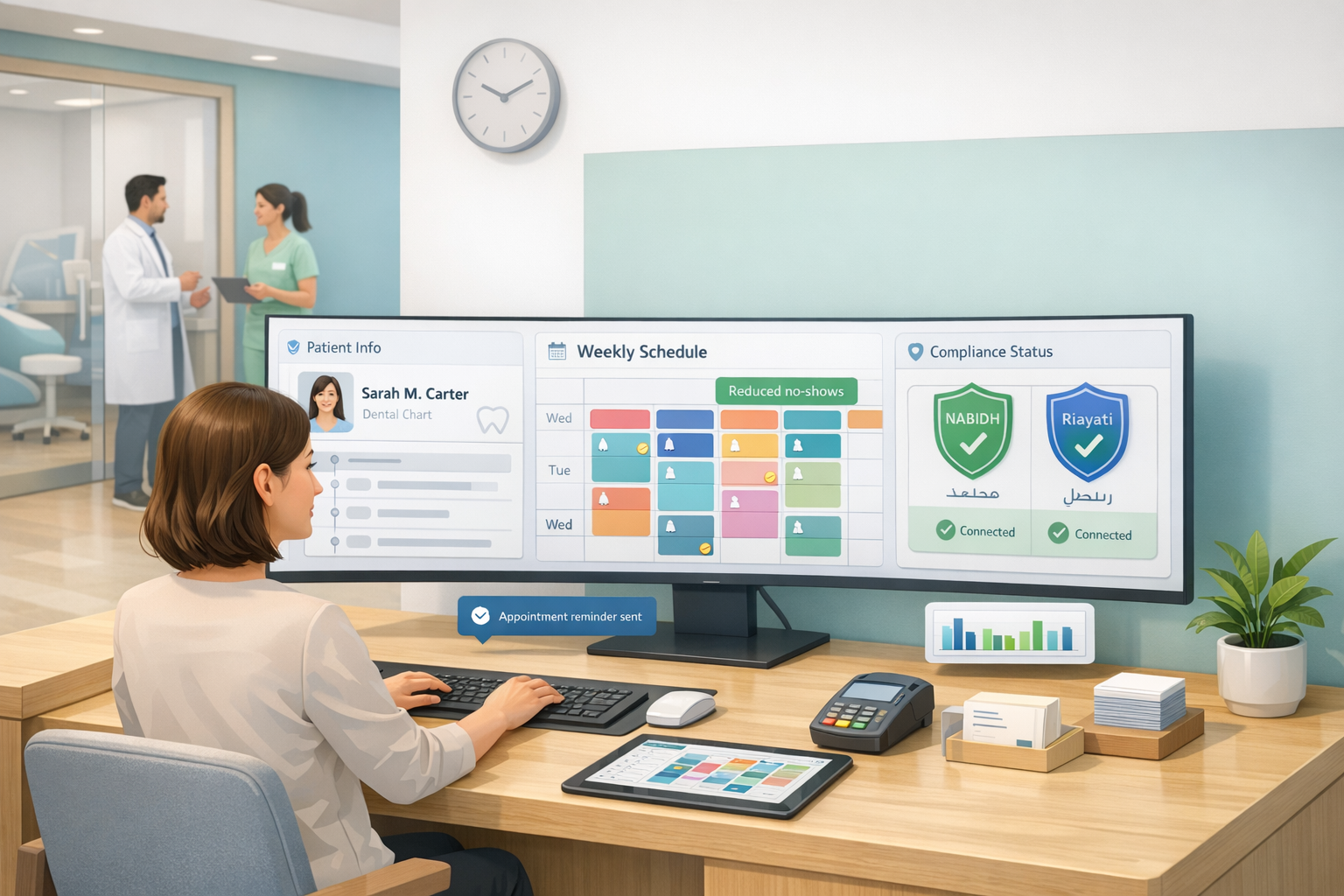
Many modern dental CRMs also connect with government health platforms like NABIDH and Riayati in the UAE, ensuring that clinics remain compliant with local regulations without needing to manually handle data uploads or paperwork. This feature is particularly helpful during licence renewals, as it simplifies the process significantly [1][3].
“A dental CRM is a specialized customer relationship management system developed to meet the unique operational and patient management needs of dental practices.” - Arty Linchevskiy, CBDO, Intobi [9]
Core Features of Dental CRM Software
Dental CRMs come with features that are specifically designed for the needs of dental practices, setting them apart from generic CRM solutions.
- Centralised patient records: These systems store everything from medical histories and 3D dental charts to imaging files (DICOM/STL) in the cloud, making data easily accessible [2].
- Automated appointment scheduling: They handle bookings and send reminders via WhatsApp or SMS, reducing no-shows and improving clinic efficiency [2].
- Patient communication tools: All interactions - whether calls, messages, or emails - are logged in a single file, providing a complete communication history [2].
- Reporting dashboards: Real-time analytics help clinic owners track metrics like patient retention, treatment acceptance rates, and marketing ROI, enabling more informed decision-making [7][8].
Other useful features include electronic consent forms that save directly to patient files, saving hours of admin work each month. Additionally, insurance claim management minimises denials, while role-based access controls ensure sensitive data is protected [2][13].
Why Dental Clinics Need CRM Software
Dental practices face unique challenges that generic business tools often cannot address. For example, high no-show rates can waste valuable chair time and hurt revenue. Automated reminders provided by a dental CRM can significantly reduce these no-shows, freeing up reception staff for other tasks.
Another common issue is paperwork overload. Handling consent forms, insurance claims, and treatment plans manually can cut into clinical hours. A dental CRM automates much of this, allowing staff to focus on patient care. Additionally, staying compliant with regulations like HIPAA or NABIDH in the UAE can be stressful without proper record management [7][10][11].
Delayed follow-ups are another pain point, as they can result in lost leads when prospective patients don’t book their first appointment. A dental CRM addresses this by flagging new enquiries and automating responses [7][10].
For clinics with multiple branches, fragmented systems can lead to data inconsistencies and reporting challenges. A dental CRM acts as a single source of truth, providing centralised reporting and standardising operations across all locations. This reduces errors and gives clinic owners a clear picture of performance across their entire practice [13].
How CRM Software for Dental Clinics Improves Patient Management
Dental CRM software is a game-changer for managing patient interactions and daily operations. By centralising patient information and automating key tasks, it helps clinics save time, minimise errors, and create a seamless experience for both staff and patients.
Centralised Patient Records
Imagine having all patient data - treatment histories, insurance details, clinical notes, imaging files (DICOM/STL), and even 3D dental charts - stored in one secure, cloud-based platform. With dental CRM software, this becomes a reality. Whether you’re using a desktop or an iPad, you can access patient records instantly [2][4]. This means no more digging through files when a patient calls with questions - everything is available at your fingertips.
AI tools further streamline the process by converting voice notes into detailed records during consultations. Dentists can simply speak their observations, and the system captures everything from treatment stages to allergies and patient history without the need for typing [2]. Digital consent forms with e-signatures are automatically saved to the patient’s file, eliminating the need for manual uploads and paper storage. This shift alone can save clinics 9–10 hours of admin work per month [2].
For clinics with multiple locations, the benefits are even greater. Unified access ensures patient histories stay synchronised across all branches, making it easier to deliver consistent care [1][2].
With efficient record management in place, clinics can focus on improving other areas, like scheduling and communication.
Automated Appointment Scheduling
Automated scheduling takes the hassle out of booking appointments. Patients can book, reschedule, or cancel appointments online at any time, with the system updating the clinic’s calendar instantly [14][16]. This feature is crucial, as 43% of patients look for dentists outside of regular office hours, and 33% of inbound calls end up in voicemail [15][17]. Unfortunately, 87% of those who reach voicemail don’t leave a message or follow up [17].
Automated reminders sent via WhatsApp, SMS, or email ensure patients remember their appointments. If a cancellation occurs, smart waitlists notify other patients on an “ASAP list”, filling the slot without staff involvement [16][17]. Data shows that patients who schedule their own appointments are nearly 9% more likely to show up compared to those booked by staff [15]. Plus, 40% of online bookings are for the same or next day, helping clinics fill last-minute openings [15].
These tools not only improve patient attendance but also save clinics 20–24 hours of staff time each month by reducing the need for manual follow-ups [2].
Better Patient Communication
Strong communication is key to patient satisfaction, and dental CRM software makes it easier than ever. Personalised follow-ups, recall reminders, and feedback requests keep patients engaged between visits. Automated WhatsApp integration - particularly valuable in the UAE - allows clinics to confirm appointments, share documents, and answer common queries without manual effort [13].
Visual tools like 3D dental charting and VR environments also enhance communication. Instead of relying on verbal explanations, dentists can use these tools to show patients exactly what their treatment involves. This not only builds trust but also increases case acceptance rates [2][4].
“When I present treatment plans using Dentaverse, my patients are left speechless. It’s an incredible tool!”
Online booking pages further simplify the process by allowing patients to request appointments at their convenience. These bookings sync automatically with the clinic’s calendar, saving 6–8 hours of staff time per month [2]. Combined with digital onboarding and e-sign consent forms, the check-in process becomes faster and entirely paperless, modernising the overall patient experience.
Key Advantages of CRM Dental Software for Modern Practices
Switching from manual systems to dental CRM software can transform how clinics operate. It’s not just about keeping up with technology - it’s about freeing up time for patient care, improving retention, and ensuring data security.
Less Time Spent on Admin Work
Automation is a game-changer for reducing administrative tasks. Dental CRM software takes care of appointment reminders through text, email, or WhatsApp and automates processes like insurance verification, claims handling, and appeals. This streamlining cuts down the time spent on routine paperwork[2].
In fact, clinics have reported a 30% boost in admin efficiency after adopting CRM automation[2]. Features like automated reminders, digital consent forms, and online booking systems can save more than 40 hours a month, allowing your team to focus on patients rather than forms.
Another perk? When a patient calls, all their details - treatment history, insurance information, and more - are readily available on a single screen. This reduces response times and minimises errors[2].
Higher Patient Retention and Satisfaction
Beyond saving time, CRM tools can directly improve patient relationships. By sending personalised recall reminders and follow-ups based on individual records, these systems encourage patients to stay engaged with their care[2]. This targeted communication helps reduce missed appointments and keeps patients coming back.
Practices that use online booking and two-way communication see fewer cancellations and better adherence to treatment plans. Automated recalls also ensure patients don’t slip through the cracks by flagging those who haven’t scheduled their next visit. This often leads to higher return rates and even new referrals. Plus, analytics dashboards provide insights, like identifying overdue check-ups, so you can take proactive steps.
Compliance and Data Protection
Dental CRM software doesn’t just make daily operations easier; it also simplifies compliance with regulations. Patient data is stored securely with features like encrypted storage, e-signatures for consent forms, and detailed audit trails, reducing the risk of breaches[2].
For clinics in the UAE, these systems align with local standards such as NABIDH, Riayati, and Malaffi, managing required data exchanges automatically[1][3]. They also meet international standards like HIPAA and GDPR, ensuring that patient records, communications, and consents are handled securely with complete access logs.
sbb-itb-d8b42ea
3 Common Mistakes When Implementing Dental CRM Software
Even the most advanced dental CRM software can fall short if clinics overlook key setup steps. These missteps can reduce the software’s effectiveness, leading to wasted time, inefficiencies, and missed opportunities to connect with patients. Here are three frequent mistakes clinics make and how they can impact operations.
Skipping Staff Training
The software might come packed with powerful features, but without proper training, those features often remain unused. Many clinics assume their team will figure it out on their own, but this approach usually leads to staff sticking to familiar tools like spreadsheets or paper records[18][19].
“Investing in Dental Clinic Management Software is easy, but using it effectively is where most clinics struggle.” Saritha, Blog Author, ERP4Dentist[18]
Role-based training is critical. For instance, receptionists can focus on mastering appointment scheduling and reminders, while dentists learn about treatment planning and clinical notes. This targeted approach ensures each team member uses the software effectively for their specific tasks, speeding up adoption and reducing stress[18][13]. It’s also worth selecting a vendor that offers go-live support during the first week of implementation[13].
Skipping training doesn’t just affect efficiency - it can lead to compliance issues. Regulations like HIPAA and OSHA require annual documented training for dental staff. Failing to meet these requirements could result in hefty fines and legal challenges[20].
Not Connecting to Existing Systems
A lack of integration with existing systems like billing, imaging, or patient records can create major inefficiencies. Disconnected systems force staff to manually transfer data, which wastes time and increases the risk of errors.
For clinics operating in regions where health information exchanges, such as NABIDH and Riayati, are mandatory, integration is non-negotiable. Without it, clinics may face legal penalties and struggle to share patient records with other providers[1][3].
“Our experience using Remedico has been excellent… the support provided during the Riayati integration was professional and smooth.” Dr. Annie Susanna Castelino, Annie Dental Clinic[2]
Modern CRM systems often come equipped with tools like built-in DICOM and STL/3D file viewers, allowing dentists to access imaging alongside treatment plans without switching between platforms. Features like e-signed consent forms that save directly to patient records or automated reminders via WhatsApp and email further streamline operations[2].
Ignoring Analytics and Reports
Many clinics install CRM software but overlook its reporting capabilities. This often means missing out on valuable insights, such as identifying overdue patients, tracking case acceptance rates, or pinpointing which treatments are the most profitable.
Analytics turn raw data into actionable insights. For example, built-in reports can flag patients who haven’t scheduled follow-ups, enabling receptionists to reach out proactively. Performance tracking can highlight areas where dentists need support, and revenue dashboards can identify underperforming time slots or services[2][4].
Retention AI features are another game-changer. These tools identify patients at risk of not returning and trigger personalised follow-ups, helping clinics boost re-booking rates[2][4]. Without analytics, decision-making often becomes reactive and unfocused.
“I have seen the shift in teamwork change as every doctor is now in the driver’s seat taking control over important daily admin work from updating patient diagnostics to explaining treatment plans.” Dr. Saghi Helmi, General & Cosmetic Dentist, Vilafortuny Clinic[2]
Choosing a CRM with an Owner’s Dashboard that displays key performance indicators (KPIs), doctor performance metrics, and patient retention data can provide a clear view of clinic operations - no spreadsheets required[4]. Addressing these common mistakes ensures your dental CRM software delivers its full potential across the clinic.
How to Choose the Right Dental Practice CRM Software
Selecting the right dental CRM software for your clinic involves more than just picking a tool - it’s about finding a system that aligns with your clinic’s workflow, meets local regulations, and saves both time and money. Building on the benefits discussed earlier, here’s a guide to help you identify the ideal CRM software for your dental practice.
Must-Have Features
Start with features that streamline your day-to-day operations. For instance, AI-powered scheduling can optimise chair time by managing staff availability and filling gaps in your calendar, boosting overall efficiency. Another essential feature is automated patient communication, which can handle appointment reminders through WhatsApp or email, reducing the need for manual follow-ups[2].
On the clinical side, tools like 3D dental charting make it easier for patients to understand treatment plans, while AI-generated clinical notes (from voice or text input) simplify documentation. Built-in DICOM/STL viewers and digital consent forms with e-signatures eliminate the hassle of managing physical paperwork[2].
Regulatory compliance is a non-negotiable, particularly in the UAE. Ensure the CRM integrates seamlessly with systems like NABIDH (Dubai), Riayati (Northern Emirates), or Malaffi (Abu Dhabi) to avoid complications with licence renewals or fines. Look for features like HIPAA-grade encryption and audit logs to safeguard patient data.
Lastly, confirm that the software allows you to retain ownership of your data and offers export options without hidden fees[4].
Questions to Ask Before Buying
Before committing to any CRM, ask vendors the following critical questions to ensure the system meets your needs:
- “Do you provide proof of current NABIDH or Riayati certification?”
Avoid vague assurances like “we’re working on it.” Request valid documentation to verify compliance[13]. - “What’s included in your setup and training?”
Some providers charge extra for onboarding, data migration, and staff training. Others, like Remedico, include these services - along with 24/7 support and safe migration from Excel or legacy systems - at no additional cost[4]. - “Is your system natively integrated or does it rely on third-party middleware?”
Native integration helps prevent data mismatches and ensures smoother operations. - “Where is my data hosted?”
UAE regulations often mandate that health data be stored on local cloud servers[13]. - “Does your system support WhatsApp API for two-way messaging?”
WhatsApp integration is often more effective than SMS or email, as these can be filtered or ignored by patients[13].
These questions will help you evaluate and compare your options effectively.
Comparing Dental Clinic CRM Software Options
When comparing platforms, focus on features, compliance, and pricing transparency. For example, Remedico offers a comprehensive solution at AED 363 per doctor per month (or AED 308 with annual payments). This includes unlimited patients and branches, 100GB of storage, 1,000 complimentary WhatsApp reminders, and advanced tools like Dentaverse® for virtual reality treatment planning[4]. Customers have rated it 4.7/5, praising its Retention AI and seamless Riayati integration[1][4].
“Our full Riayati compliance means that dental clinics no longer need to compromise between having exceptional practice management software and meeting regulatory requirements.” Nataliia Romanova, CEO, Remedico.app[3]
Other platforms may lack native integration with UAE health systems, relying instead on third-party middleware or manual reporting. This fragmented setup can increase costs and lead to potential data integrity issues[13].
To measure the return on investment (ROI), calculate the time saved. For instance, if the system saves over 40 admin hours per month, multiply this by your staff’s hourly rate. Add the benefits of reduced no-shows, improved case acceptance due to features like 3D charting and VR tools, and the assurance of reliable compliance. Often, the time saved alone can offset the cost of the software.
Key Takeaways
Dental CRM software streamlines operations by centralising patient records, automating scheduling and reminders, and enhancing communication - all within a single system. This can save up to 40 hours of admin work per month [2] and cut no-show rates by 25% [6].
For UAE practices, it’s important to choose a system with features like automated WhatsApp or email reminders, 3D dental charting for better treatment visualisation, and compliance tools such as NABIDH or Riayati integration. These features can boost patient retention by as much as 30% [6], freeing up staff to focus more on patient care.
To ensure success, proper staff training, seamless integration with existing practice management tools, and consistent use of analytics and reports are essential. These steps help track patient retention and optimise workflows [5]. Skipping them could result in poor adoption and wasted investment.
When evaluating CRM options, ask vendors about setup costs, data ownership, compliance certifications, and integration capabilities. For instance, platforms like Remedico offer free data migration, 24/7 support, and 1,000 free WhatsApp reminders, all for AED 363 per doctor per month (or AED 308 annually) [4].
To assess ROI, consider the time saved on admin tasks, fewer missed appointments, and improved case acceptance through features like Dentaverse® (VR/AR). In many cases, the time saved alone offsets the cost within just a few months.
FAQs
How can dental CRM software help retain more patients?
Dental CRM software plays a key role in keeping patients engaged by automating essential tasks like follow-up reminders, recall notifications, and appointment confirmations. These features help minimise missed visits and ensure patients stay on track with their treatment plans.
It also enables clinics to personalise their communication - think birthday greetings or customised updates about a patient’s specific treatment. This personal touch helps build stronger relationships and encourages loyalty. By streamlining these processes, dental CRM software makes patients feel appreciated, increasing the likelihood they’ll continue their care with the clinic. :::
What compliance features should UAE dental clinics look for in software?
Dental clinics in the UAE need to focus on using software that aligns with DHA and NABIDH standards. This means ensuring secure, encrypted storage for patient data, along with automatic backup systems. Additionally, compliance with Riayati standards is essential for precise record-keeping and smooth reporting to local health authorities. These functionalities not only help clinics adhere to regulations but also safeguard sensitive information and minimise the risk of compliance-related problems. :::
How does automated scheduling help reduce missed appointments?
Automated scheduling plays a key role in cutting down missed appointments by sending timely reminders through SMS, email, or app notifications. These reminders encourage patients to confirm, reschedule, or cancel their appointments, leading to smoother communication and a noticeable drop in no-shows.
Beyond reminders, these systems help optimise appointment slots. They make it easier to quickly fill cancellations or reschedule patients, reducing delays. Some clinics have even reported a 50% drop in missed visits, boosting both patient satisfaction and the clinic’s overall efficiency. :::